Source Underwater Sapphire Dome Lens for Photography, Optical, and Medical Uses
Find and compare 30 Underwater Sapphire Dome Lens options for photography, optical, and medical applications. These single-lens components feature high transmittance and customizable dimensions, allowing buyers to evaluate specifications like diameter and surface quality for their specific needs.
Key considerations
Products List


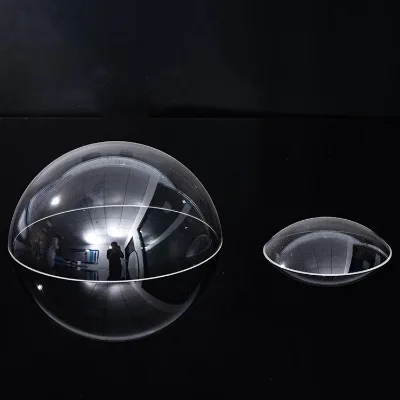
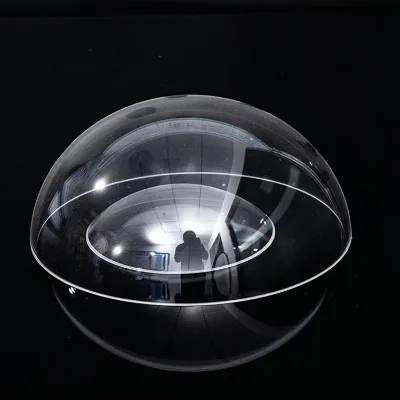
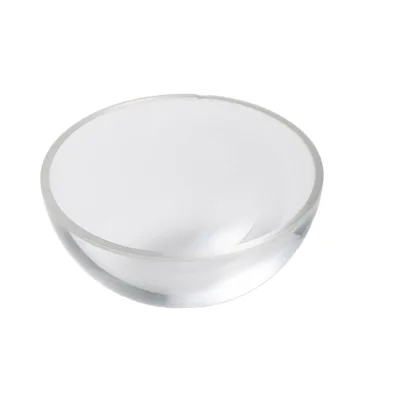
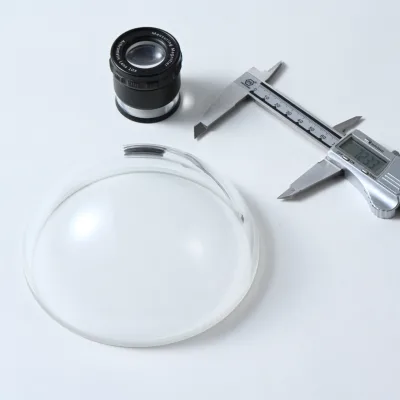
Factory Customized Optical Glass Acrylic Domes Lens with Holes for Underwater Camera
$5.50 - $12.00
MOQ: 10 Pieces


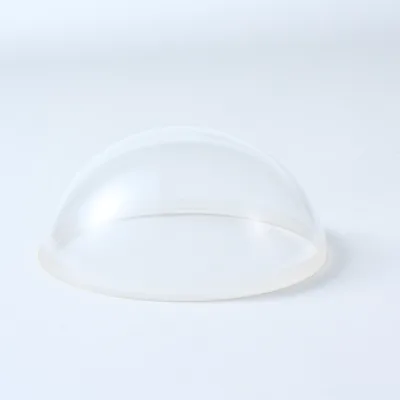
Comprehensive Sourcing Guide
Underwater Sapphire Dome Lens Sourcing Guide
Sourcing high-performance optical components for submerged environments requires a rigorous understanding of material science and manufacturing precision. The Underwater Sapphire Dome Lens serves as a critical interface between the aquatic environment and sensitive imaging or sensing equipment. Unlike standard glass optics, sapphire offers exceptional hardness and chemical stability, making it the preferred material for applications where durability and clarity are non-negotiable. Buyers must navigate a market characterized by significant variation in customization capabilities, dimensional tolerances, and surface quality standards. This guide provides a structured approach to evaluating suppliers, verifying technical specifications, and ensuring long-term reliability for underwater optical systems.
The procurement process for these specialized lenses involves balancing performance requirements with commercial constraints. While the core material remains consistent, the final product can vary widely in terms of shape, diameter, and surface treatment. Buyers should approach sourcing with a clear definition of their operational parameters, including pressure ratings, light transmission needs, and mechanical mounting requirements. By focusing on verified supplier capabilities and demanding transparent documentation, organizations can mitigate the risks associated with optical failure in harsh underwater conditions. This guide outlines the essential steps for identifying qualified suppliers and establishing robust quality control measures.
Product Scope and Observed Listing Signals
The market for underwater sapphire dome lenses presents a diverse range of product configurations, primarily driven by the need for customized solutions. Suppliers frequently offer single-lens and dome-shaped variants, with dimensions spanning from small diameters of 0.5mm to large apertures exceeding 200mm. The observed product listings indicate a strong emphasis on customization, with many manufacturers offering tailored surface treatments and specific geometric profiles such as hemispheres or flat lenses. Buyers should note that while sapphire is a key material, some listings also include optical glass options, necessitating careful verification of the actual material composition to ensure it meets the hardness and corrosion resistance requirements of underwater deployment.
Commercial signals from the market suggest a flexible ordering structure, with minimum order quantities (MOQ) ranging from single units to larger batches of 100 pieces. This variability allows both prototyping and mass production needs to be addressed by the same supplier base. Price points observed in the market are broad, reflecting the differences in material grade, precision tolerances, and surface quality specifications. Buyers should interpret these price ranges as indicative of the complexity involved in manufacturing high-quality sapphire optics rather than a fixed cost structure. It is essential to correlate price with specific technical attributes, such as transmittance rates and surface scratch-dig specifications, to ensure value alignment.
Technical Specifications to Verify
Dimensional accuracy and geometric precision are paramount when selecting underwater sapphire dome lenses. Buyers must verify the diameter range, which can extend from 7mm to 400mm, and ensure that the specific model meets the required aperture size for the intended optical system. Tolerance levels are critical, with standard specifications often citing deviations of +/-0.10mm or +/-0.1mm. For applications requiring tight fitment, such as pressure housings or waterproof enclosures, verifying the right-angle precision and flatness specifications, such as 1/4 wave flatness, is essential to prevent light leakage or mechanical stress. The clear aperture, often specified at 90%, must be confirmed to ensure that the usable optical area meets the system's field of view requirements.
Optical performance and surface quality directly impact the clarity and reliability of underwater imaging. Transmittance rates exceeding 95% are a common benchmark for high-quality sapphire lenses, ensuring minimal light loss in low-visibility environments. Surface quality is typically graded using the scratch-dig standard, with common specifications including 60-40, 80-50, or finer grades like 20-10. Buyers should request detailed surface quality certificates for each batch, as these specifications determine the lens's resistance to scattering and its ability to maintain image integrity under pressure. Additionally, the type of lens, whether convex, flat, or dome, must be matched to the optical design to achieve the desired focal length and distortion characteristics.
Compliance and Safety Documentation
Regulatory compliance is a fundamental requirement for sourcing optical components, particularly those intended for industrial or medical applications. Buyers should verify that suppliers hold relevant certifications such as ISO standards and RoHS compliance, which indicate adherence to quality management systems and restrictions on hazardous substances. The presence of CE marking further suggests that the product meets European health, safety, and environmental protection standards. These certifications are not merely administrative formalities; they reflect the supplier's commitment to consistent manufacturing processes and material safety, which are crucial for long-term procurement reliability.
Documentation should also include detailed material certificates and test reports that confirm the optical properties of the sapphire dome lenses. Buyers must ensure that the transmittance data and surface quality grades are backed by independent or internal laboratory testing. While specific test results may vary by supplier, the availability of such documentation is a key indicator of supplier maturity. It is advisable to request sample testing reports for the specific model and surface quality grade being procured, ensuring that the delivered product matches the certified specifications. This due diligence helps prevent compliance issues and ensures that the lenses meet the rigorous demands of underwater environments.
Cost Drivers and Commercial Terms
The cost of underwater sapphire dome lenses is influenced by several key factors, including material grade, dimensional complexity, and surface finish requirements. Larger diameters and tighter tolerances typically result in higher manufacturing costs due to increased material waste and processing time. Surface quality grades, such as moving from 60-40 to 20-10, also significantly impact pricing, as finer finishes require additional polishing steps and quality control measures. Buyers should analyze the cost structure in relation to these technical specifications, avoiding the temptation to select the lowest price option without considering the potential impact on optical performance and durability.
Commercial terms, including minimum order quantities and packaging requirements, play a significant role in the total cost of ownership. Suppliers often offer flexible MOQs, starting from single units, which is beneficial for prototyping but may carry a higher per-unit cost. For larger orders, buyers can negotiate better pricing and customized packaging solutions to protect the lenses during shipping. It is important to clarify the packaging specifications, as sapphire lenses are susceptible to scratching and chipping if not handled correctly. Ensuring that the packaging meets the "as requested" standards can prevent damage and reduce the risk of receiving defective products.
Supplier Qualification and Quality Control
Evaluating supplier qualifications is essential for ensuring the reliability of underwater sapphire dome lenses. Buyers should prioritize suppliers with a proven track record in optical manufacturing, particularly those located in regions known for optical expertise, such as Changchun or Jilin in China. These regions often host specialized facilities with advanced polishing and coating technologies. Verification of the supplier's production capabilities, including their ability to handle custom orders and maintain consistent quality across batches, is crucial. Buyers should request information about the supplier's quality management systems and their process for handling surface quality inspections.
Quality control measures should be established at multiple stages of the procurement process, from initial sample approval to final delivery. Buyers should implement a rigorous incoming inspection protocol, verifying dimensional accuracy, surface quality, and optical transmittance upon receipt. It is advisable to conduct random sampling tests to ensure that the delivered products meet the specified tolerances and surface grades. Establishing a clear communication channel with the supplier for addressing any quality issues is also important. By maintaining active oversight and demanding transparency in quality control processes, buyers can minimize the risk of receiving substandard lenses.
Long-Term Procurement Checks
Sustaining a reliable supply chain for underwater sapphire dome lenses requires ongoing monitoring and periodic re-evaluation of supplier performance. Buyers should track key performance indicators such as delivery times, defect rates, and responsiveness to technical queries. Regular audits of the supplier's quality control processes can help identify potential issues before they impact production. Additionally, staying informed about advancements in sapphire manufacturing technologies and surface treatment methods can provide opportunities for cost savings or performance improvements. Building a long-term relationship with a qualified supplier can lead to better pricing, priority support, and access to new product developments.
Continuous improvement in procurement practices involves refining specifications based on field performance and feedback from engineering teams. Buyers should document any issues encountered during the deployment of the lenses and share this information with the supplier to drive product enhancements. It is also important to maintain a diversified supplier base to mitigate risks associated with single-source dependencies. By regularly reviewing supplier qualifications and maintaining high standards for quality and compliance, organizations can ensure a steady supply of high-performance underwater sapphire dome lenses for their critical applications.
FAQs
What material is used for underwater sapphire dome lenses?
Underwater sapphire dome lenses are constructed from optical glass or sapphire material. These materials provide high durability and clarity for photography and medical applications. The product origin is typically Changchun or Jilin, China, ensuring consistent quality standards.
Can I customize the shape of the Underwater Sapphire Dome Lens?
Yes, customization is available for the shape of the Underwater Sapphire Dome Lens. Buyers can request specific dimensions ranging from 0.5mm to 200mm. The surface quality can also be tailored to requirements like 60-40 or 80-50 depending on the application needs.
Which certifications do these lenses typically hold?
These lenses typically hold certifications such as ISORoHS, CE, and RoHS. The certification status is often customized to meet specific buyer requirements. This ensures compliance with international safety and environmental standards for optical and medical usage.
How is the minimum order quantity determined for these lenses?
The minimum order quantity varies by product model, with options starting from 1 unit up to 100 units. Some specific models like I-VY0077 may require a minimum of 10 pieces. Buyers should check the specific model details for exact MOQ requirements.
What is the transmittance rate of the Underwater Sapphire Dome Lens?
The transmittance rate of the Underwater Sapphire Dome Lens is greater than 95%. This high clarity ensures optimal performance in photography and lighting applications. The clear aperture is typically around 90%, maximizing light transmission for superior image quality.
What is the diameter range available for these lenses?
The diameter range available for these lenses spans from 0.7mm to 400mm. Specific models offer sizes like 24mm or 112mm. Dimension tolerances are maintained at +/-0.10mm to ensure precision in optical and medical applications.
Where are these underwater sapphire dome lenses manufactured?
These underwater sapphire dome lenses are manufactured in Changchun and Jilin, China. The production origin ensures access to specialized optical glass and sapphire processing facilities. Buyers can expect consistent manufacturing standards across different product models.
Can the surface quality be customized for specific applications?
Yes, the surface quality can be customized to meet specific application needs. Options include grades like 60-40, 40-20, 20-10, or 10-5. This flexibility allows the lenses to be tailored for high-precision photography, optical, or medical uses.